
As more people work from home and living spaces become smaller, designing multifunctional spaces has become essential. Therefore, with a bit of creativity and planning, it’s possible to create areas that serve multiple purposes without sacrificing style or comfort. In this blog post, we’ll explore various strategies for designing multifunctional spaces that balance style and functionality. Specifically, these strategies include using dual-purpose furniture and smart storage solutions.
Designing with Dual-Purpose Furniture
Investing in dual-purpose furniture is one of the simplest ways to create a multifunctional space. For example, a sofa bed is an excellent addition to a guest room that also serves as a home office. During the day, it functions as comfortable seating; then, at night, it easily converts into a cozy bed. Similarly, a coffee table with concealed storage can act as a desk during the day and transform into a table for entertaining guests in the evening.
Designing Smart Storage Solutions
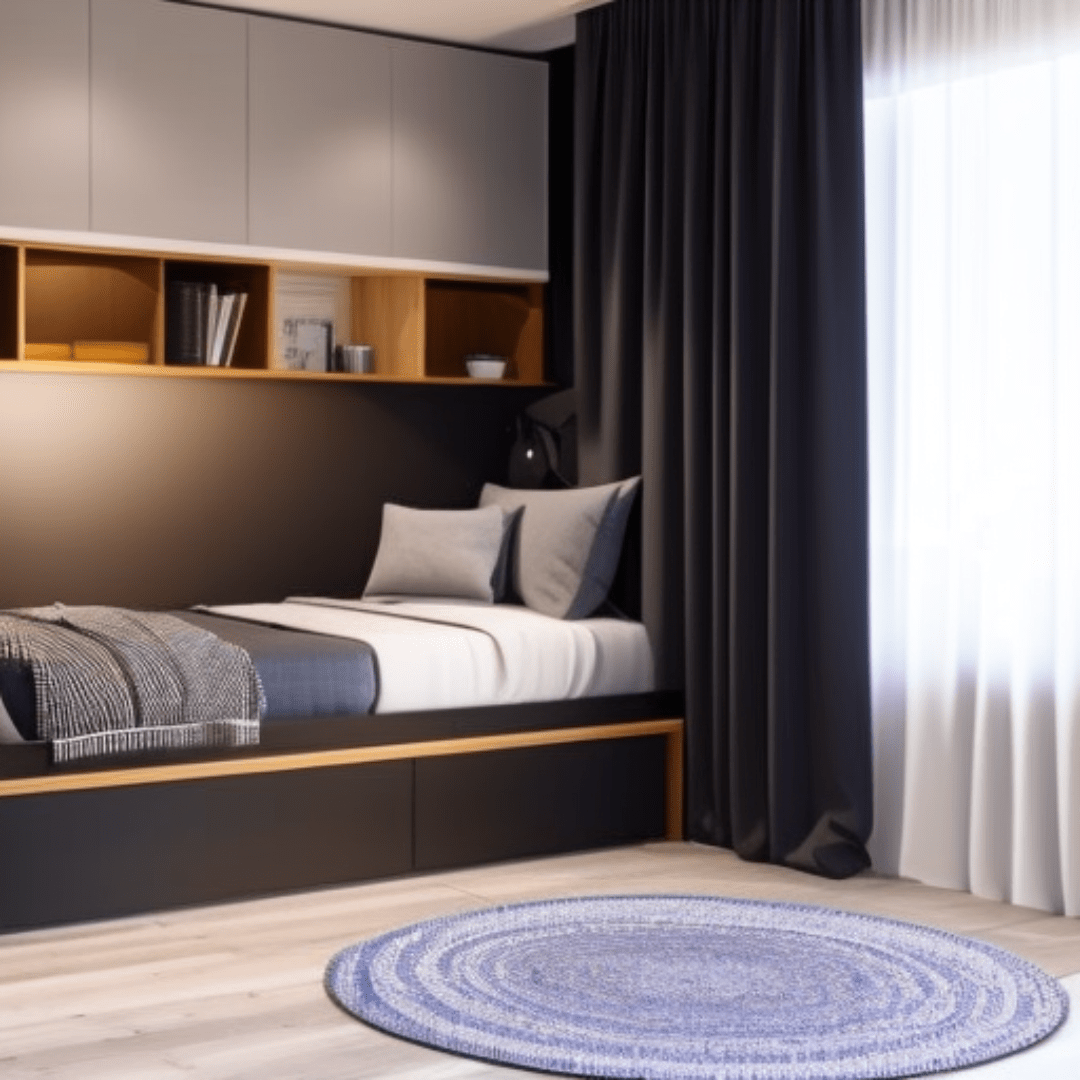
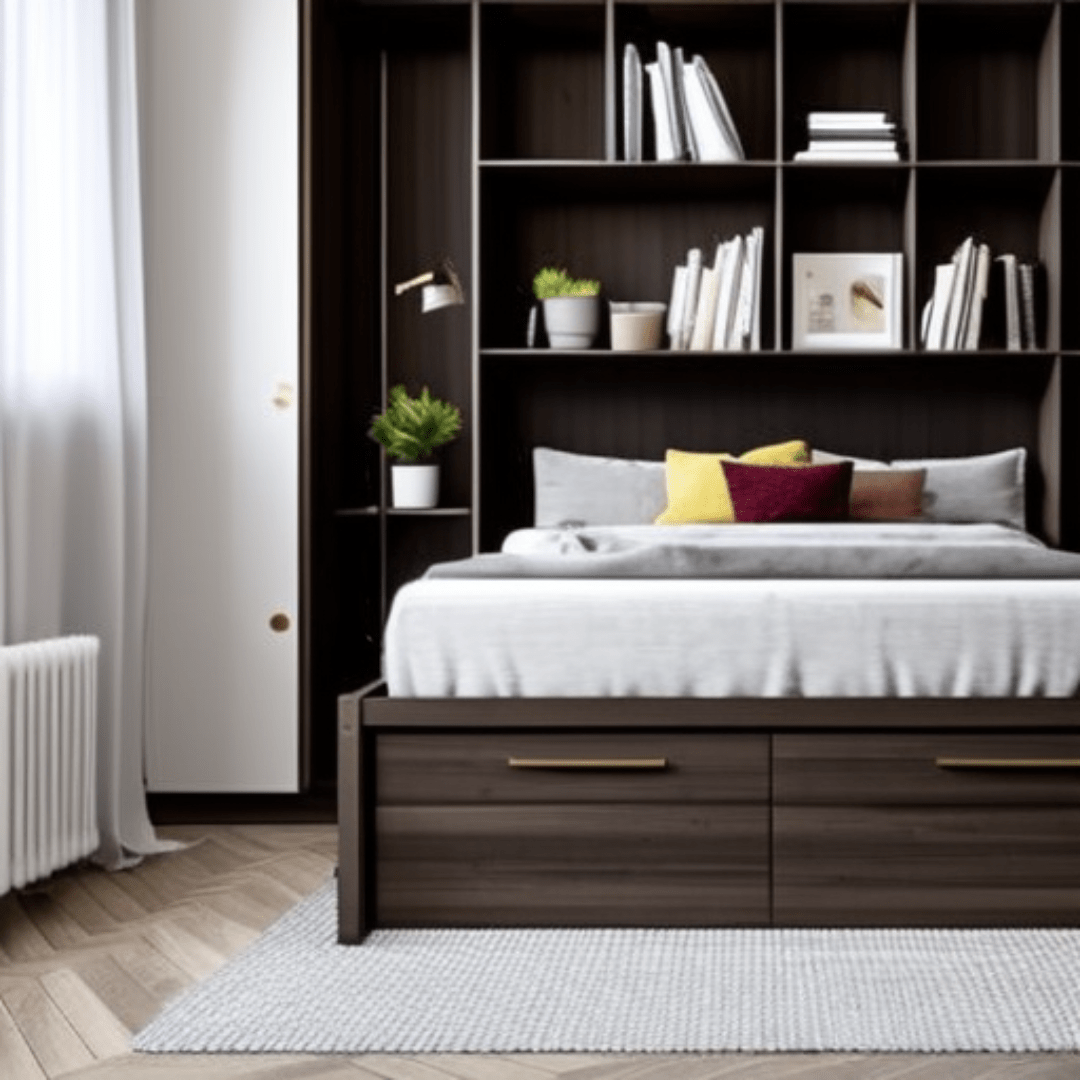
Smart storage options play a significant role in making a multifunctional space practical. For instance, in a small home office, a wall-mounted desk with built-in shelves provides ample storage and workspace. Additionally, an ottoman with storage is a great addition to a living room that doubles as a guest room. It stores extra bedding, pillows, and blankets while also serving as additional seating.
Designing Effective Lighting
Lighting is crucial in every space; however, it’s especially important in multipurpose areas. Therefore, use layered lighting to create different moods and zones within a room. For instance, task lighting illuminates a workspace, while ambient lighting creates a soothing atmosphere in a guest room. Moreover, adding dimmer switches allows you to adjust the lighting to suit your needs, making them an excellent addition to a multipurpose room.
Designing with Color and Texture
Color and texture can visually divide zones within a multipurpose space. For example, you can apply wallpaper or paint in a different color or pattern on the wall behind a desk to create a distinct workspace. Likewise, a rug can define a seating area in a living room that also functions as a dining room. By incorporating various textures and patterns, you create a cohesive look while still delineating different areas within a room.
Designing for Flexibility
Finally, it’s important to design a multifunctional space with flexibility in mind. As your needs evolve, so should your living space. Therefore, consider purchasing furniture that can be easily moved or rearranged, such as lightweight chairs or modular shelving units. Consequently, this flexibility allows you to adapt the space to your changing needs without starting from scratch.
Conclusion
Designing for multifunctional spaces can be challenging; however, with the right strategies and planning, it’s possible to create stylish and functional areas. By incorporating dual-purpose furniture, smart storage solutions, layered lighting, color and texture, and flexibility, you can design spaces that suit your lifestyle.
All images credit to AI