
Open Floor Plan Ideas for Modern Homes
Open floor plans have grown in popularity in contemporary house design. However, they can be challenging to implement. Creating a cohesive, functional space while maintaining a sense of separation between different areas is one of the most difficult aspects of planning an open floor plan. In this article, we will explore various strategies to strike this balance and design a magnificent open floor plan that fulfills your needs and complements your aesthetic.
Open Floor Plan: Furniture Placement
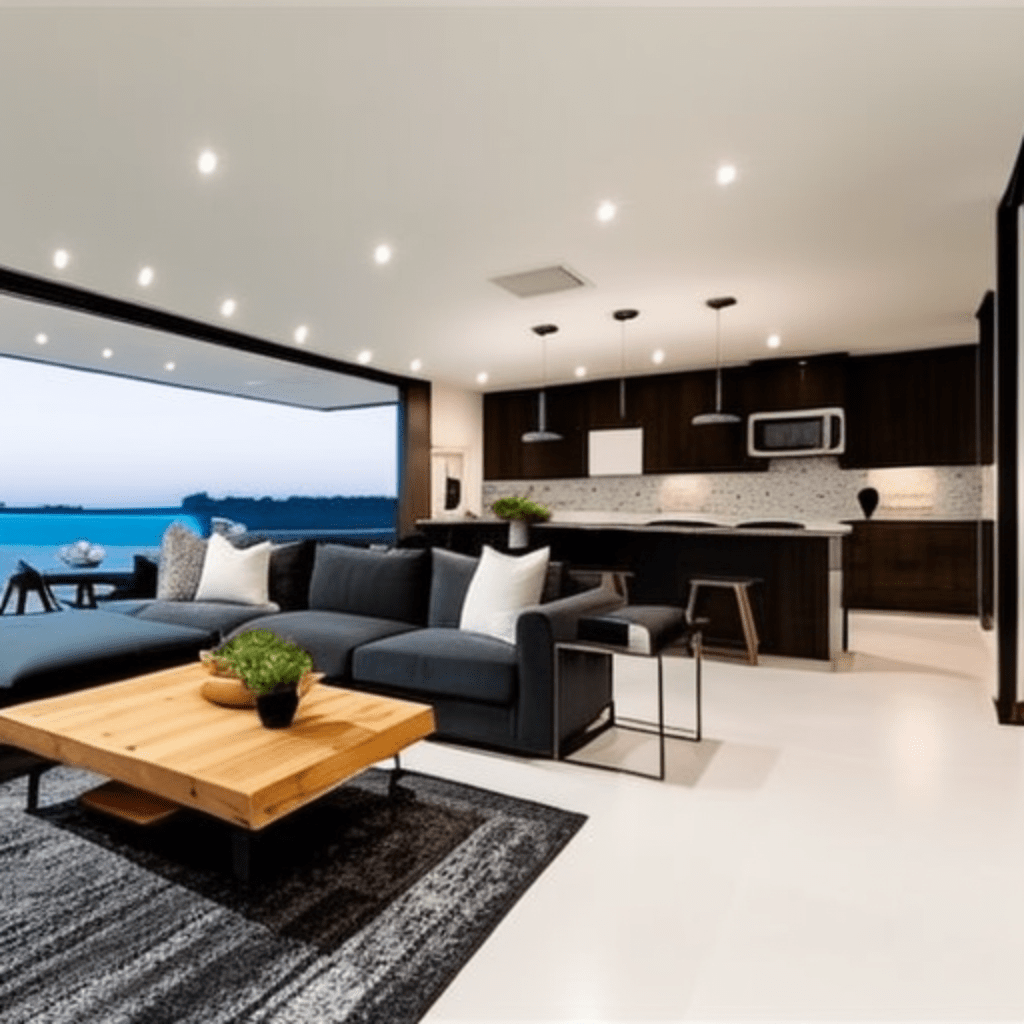
In an open floor plan, the placement of furniture is essential. Arranging furniture to promote a natural flow between areas helps create harmony. Instead of positioning pieces against the walls, create groupings that form distinct zones within the room. For example, establish a seating area with a sofa and chairs in one section and a dining area with a table and chairs in another. Additionally, use rugs and lighting to create a sense of separation and further define each zone.
Open Floor Plan: Color Harmonization Strategies
Employing a consistent color palette throughout your open floor plan can help create a unified appearance, tying together the various spaces. However, this doesn’t mean you must use the same color everywhere. Instead, select hues that complement each other to form a cohesive look. For instance, use a neutral palette with blue or green accents in different regions. Alternatively, choose a bold accent color to apply throughout the space in various ways.
Open Floor Plan: Zoning Techniques
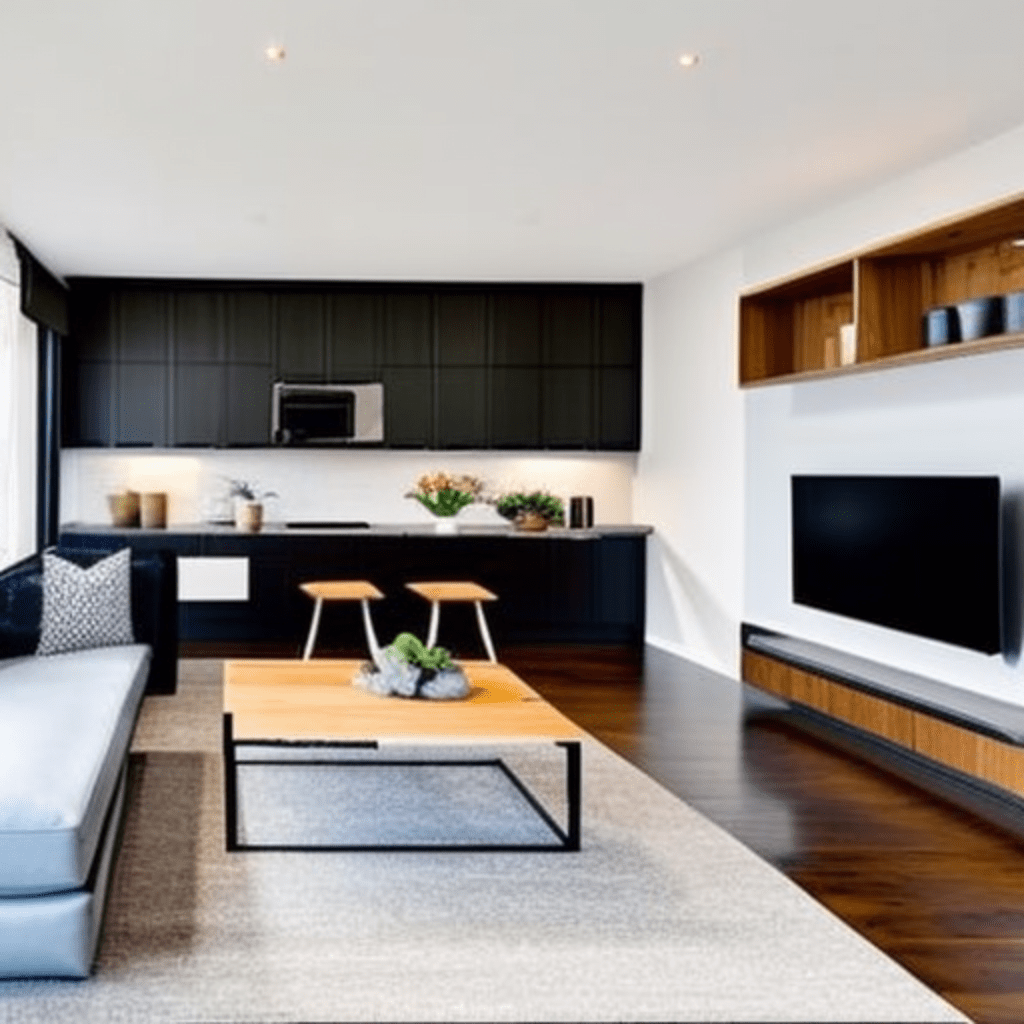
Using zoning techniques is another effective way to create a sense of separation within an open floor plan. This may involve anything from utilizing different flooring materials to constructing half-walls or partitions between spaces. For example, install tile or hardwood flooring in the kitchen and carpeting or an area rug in the living room. Moreover, add a half-wall or bookshelf to divide a seating area from a dining area.
Open Floor Plan: Establishing Focal Points
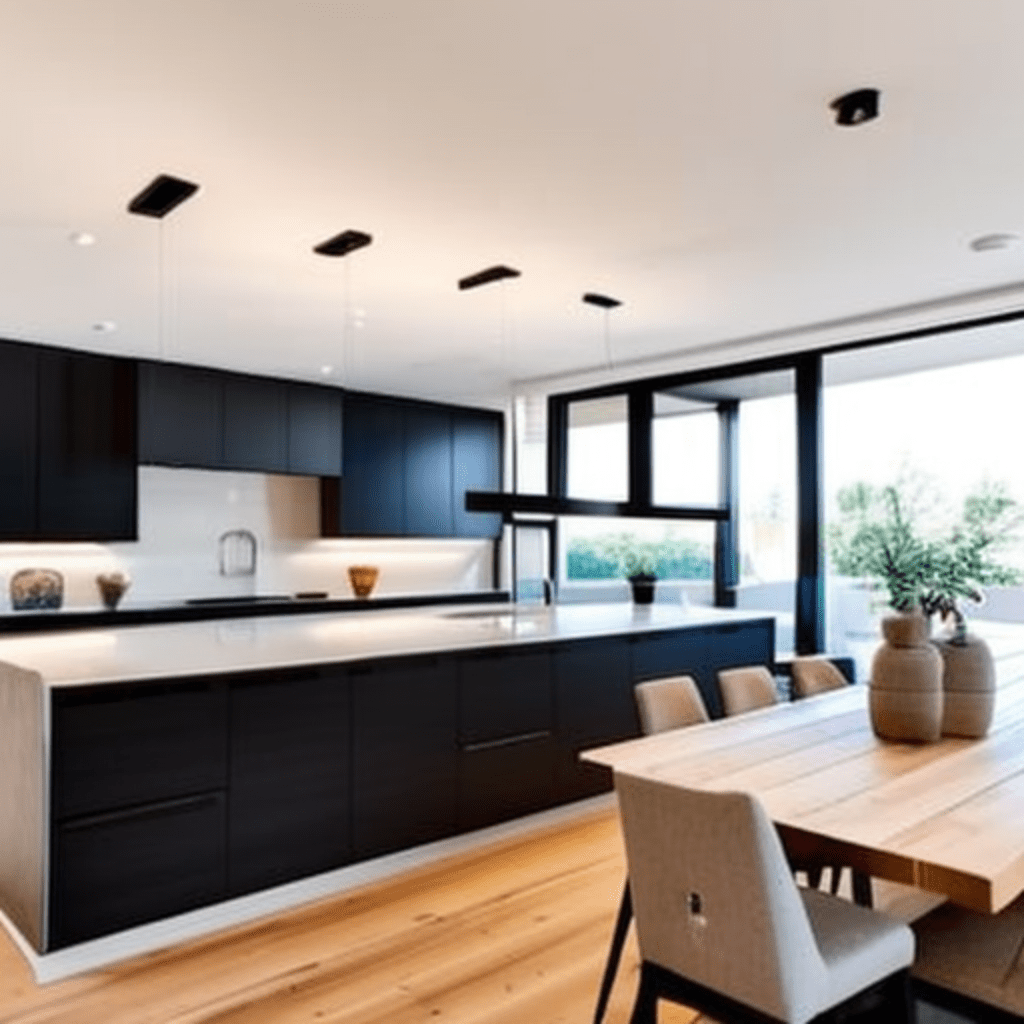
Creating focal points can help draw attention and give different regions a sense of purpose within an open floor plan. This could involve using a statement piece of art in the living room or an eye-catching light fixture above the dining table. In the kitchen, choose a bright backsplash or a unique island as a focal point. By highlighting different areas, you establish purpose and help define each zone.
Open Floor Plan: Creating Multi-Purpose Spaces
Finally, consider ways to maximize your open floor plan by creating spaces with multiple functions. For instance, use a large sectional sofa in the living room that can be easily reconfigured to provide additional seating for gatherings. Alternatively, choose a dining table that can be extended to accommodate more guests when necessary. By designing rooms that can be used in various ways, you make the most of your space and create a home that suits your lifestyle.
Conclusion
An open floor plan is a fantastic approach to creating a contemporary and functional living environment. By utilizing furniture placement, color coordination, zoning strategies, focal points, and multi-purpose rooms, you can develop a cohesive design that satisfies your needs and complements your personal taste. Whether you’re renovating an existing space or designing a new home, these open floor plan ideas can help you achieve your design goals and create a space you’ll love for years to come.
All images credit to AI
Comments are closed.